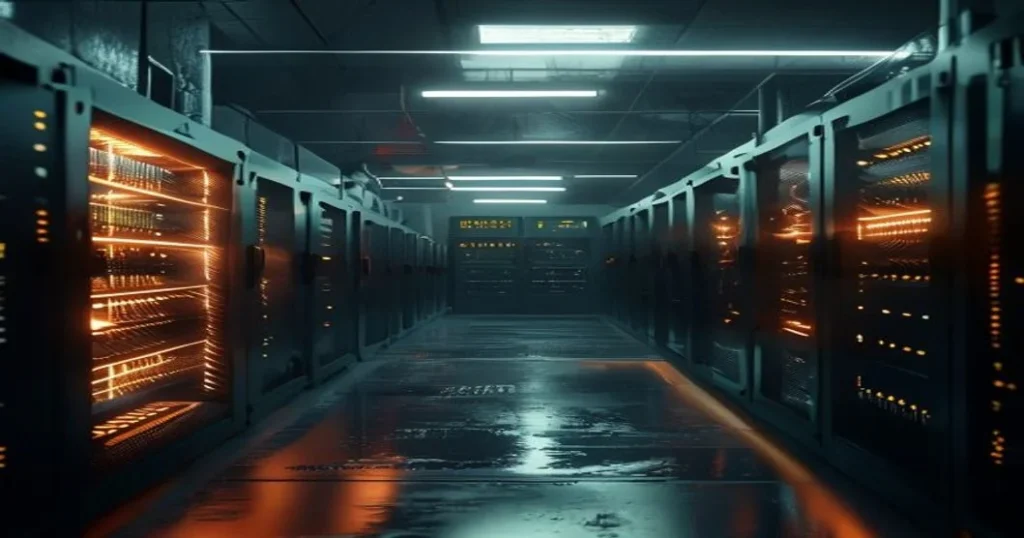
At this year’s Cannes Film Festival, the conversation around artificial intelligence moved from hype to hands‑on practice. Visionaries such as Darren Aron Aronofsky championed AI‑driven visual effects, script analysis and post‑production workflows as extensions of the cinematic toolbox. For tech teams, the takeaway is clear: AI isn’t a boutique plugin for indie projects; it’s morphing into a production‑line component that demands flexible infrastructure, reliable data pipelines, and rigorous version control.

Aronofsky cited a pilot where a generative model produced background plates that would have taken days of location scouting. The model was trained on a curated dataset of shot compositions and then fine‑tuned on set‑specific lighting parameters. The result was a 30‑percent reduction in shoot time and a cost saving that matched a mid‑range VFX budget. For cloud architects, this signals a shift toward on‑demand GPU clusters and containerized AI services that can be spun up for short‑term, high‑intensity workloads.
Not everyone at Cannes greeted AI with enthusiasm. Guillermo del Toro bluntly stated he would “rather die” than rely on algorithms to make creative decisions. His stance underscores a broader governance challenge: how to balance artistic intent with machine assistance without eroding creative control.
For technology leaders, del Toro’s warning is a reminder that any AI integration must include transparent audit trails and human‑in‑the‑loop checkpoints. Studios experimenting with AI‑generated storyboards are already building meta‑layers that tag each asset with provenance data—who authored the prompt, which model version generated it, and what manual edits were applied.
Implementing such safeguards impacts DevOps practices. Continuous integration pipelines now need to test not just code but model outputs for bias, visual fidelity, and compliance with union regulations. Monitoring tools must capture latency and cost metrics for high‑volume render farms, ensuring that AI services stay within production budgets.
The Cannes showcase is a microcosm of a larger industry key. Companies that supply cloud infrastructure, AI platforms, or media‑workflow software have a clear opportunity to embed production‑grade features:
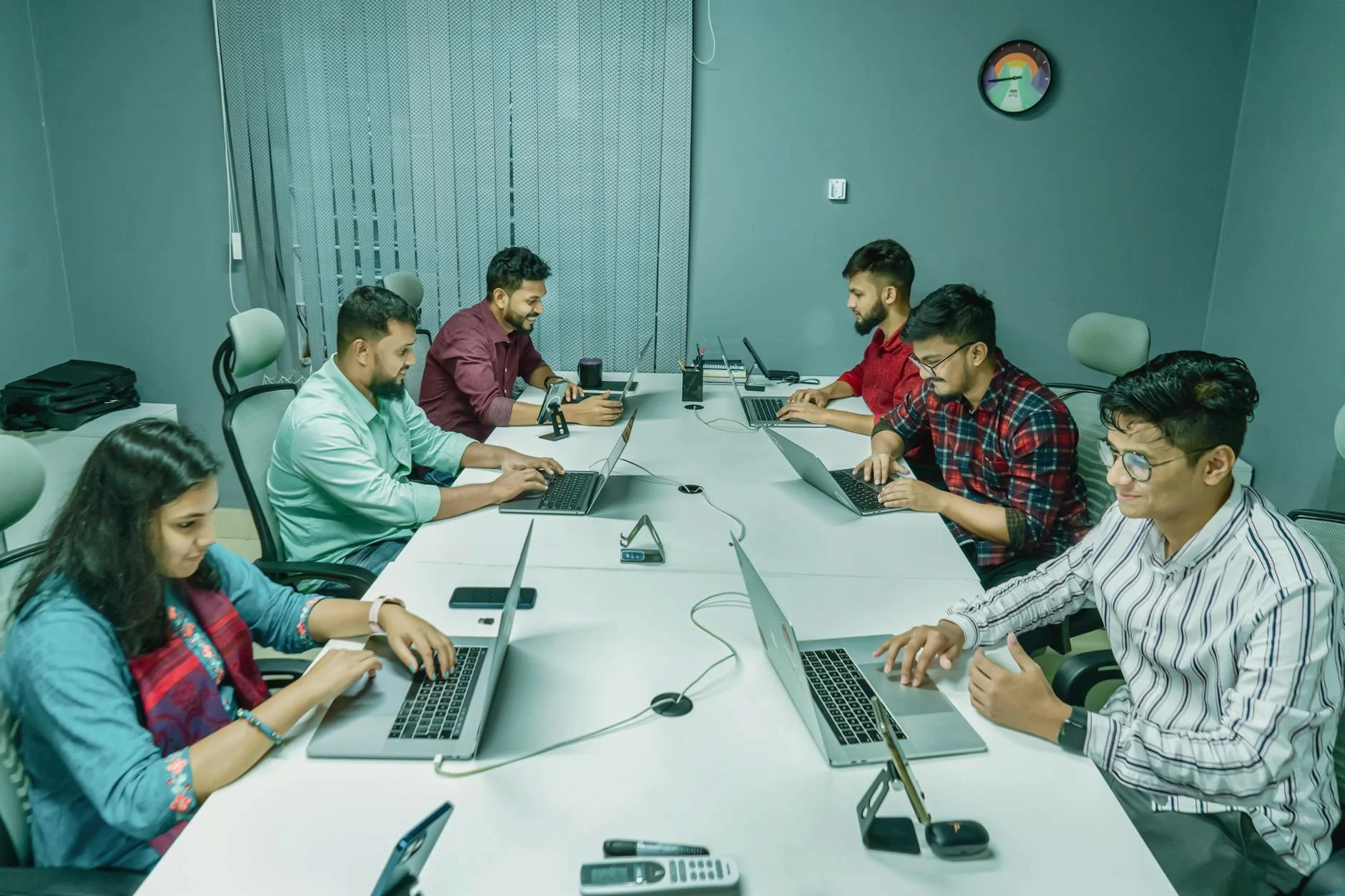
In practical terms, a studio adopting these capabilities can accelerate pre‑visualization cycles, lower VFX spend, and keep creative talent in the decision loop. Ignoring the trend means risking obsolescence as competitors AI to compress timelines and enable new storytelling possibilities.
Bottom line: AI is moving from experimental labs into the day‑to‑day workflow of Hollywood. Tech professionals who can deliver secure, flexible, and auditable AI services will become indispensable partners in the next wave of cinematic innovation.
The practical reality of AI in professional filmmaking is more specific — and more interesting — than general coverage suggests. AI tools have found their footing in three areas where the technology’s strengths align with production needs:
The Sundance Institute has been tracking AI adoption in independent film, noting that lower-budget productions benefit disproportionately because AI makes formerly cost-prohibitive techniques accessible.
The resistance at Cannes and other festivals is not simply technophobia. The creative community’s concern centers on specific questions: When AI generates visual elements trained on copyrighted imagery, who owns the output? When an AI voice-clones an actor’s performance, what consent model applies? These legal and ethical questions remain unresolved in most jurisdictions, including the EU.
The EU AI Act’s transparency requirements (identifying AI-generated content) apply to deepfakes and synthetic media — relevant for film and advertising equally.
Current AI tools consistently fail at: maintaining character consistency across scenes, generating realistic human motion at feature quality, understanding narrative subtext, and producing cinematography that reflects a coherent directorial vision. These are not temporary technical limitations — they reflect the gap between pattern-matching capability and creative authorship.
For the broader context of AI adoption across industries: Best AI Tools for Business in 2026. For the workforce implications: Why Graduates Are Pushing Back on AI Hype.
Most major festivals have not yet adopted formal policies. Cannes 2026 saw informal discussions but no rule changes. Sundance requires disclosure of AI-generated content. The Academy of Motion Picture Arts and Sciences is developing guidelines expected in late 2026. The trend is toward disclosure-and-consider rather than blanket exclusion.
Adobe Firefly (integrated into Premiere and After Effects), Runway ML (video generation and editing), ElevenLabs (voice generation and cloning), and Pika Labs (video generation) are the most cited professional tools in 2026 production surveys. Midjourney remains dominant for pre-production concept work.
Beyond the creative debates, AI’s entry into filmmaking carries significant business and legal implications for the industry. Studios, production companies, and talent are all grappling with questions about intellectual property, residuals, and attribution that existing contracts and industry agreements were not designed to address.
The US writers’ and actors’ strikes of 2023 established precedents for some AI protections in Hollywood contracts, but enforcement varies and the technology has advanced substantially since those agreements were reached. European film industries operate under different labour frameworks, with stronger co-determination rights and clearer IP protections in many jurisdictions, but face similar fundamental questions about where human creative labour ends and AI generation begins.
For independent filmmakers and production companies, AI tools represent genuine cost reduction opportunities — particularly in areas like pre-visualisation, VFX previews, script analysis, and localisation. Budgets for mid-range productions are being renegotiated as producers understand what AI can substitute for traditional services. This is already affecting employment in visual effects, dubbing, and post-production across European markets.
Current AI systems can generate short video sequences, dialogue, music, and visual effects, but creating a coherent feature-length film entirely without human direction remains beyond current capabilities. The creative and narrative coherence required for long-form storytelling — character consistency, emotional pacing, thematic development — still requires substantial human creative input. AI functions most effectively as a force-multiplier for human filmmakers rather than a replacement for them.
Cannes has been at the forefront of the film industry’s reckoning with AI. The 2024 and 2025 festivals featured dedicated panels, short film competitions with AI-assisted entries, and increasingly urgent discussions about disclosure standards for AI-generated content. The festival’s selection committees have wrestled with whether to accept AI-assisted works and what transparency requirements should apply — questions the broader industry has not yet resolved consis Across the production workflow, AI tools are finding practical applications that filmmakers are adopting regardless of broader creative debates.
In pre-production, AI is accelerating script coverage, budget estimation, location scouting through satellite and street-view analysis, and talent matching. These applications save time and money without threatening the creative roles that define filmmaking as a craft.the creative roles that define filmmaking as a craft.
In post-production, AI-assisted colour grading, automated dialogue replacement synchronisation, and AI-powered noise reduction have become standard parts of professional workflows. These tools deliver technical quality improvements while dramatically reducing the manual labour involved in finishing a film. For European co-productions with multilingual releases, AI-assisted dubbing and localisation is reducing the cost and time required to release across multiple language markets simultaneously.
The most contested frontier remains generative AI in visual effects and creative imagery. Studios and streaming platforms are actively testing AI-generated backgrounds, crowd simulations, and de-ageing effects, weighing cost savings against quality, IP risk, and the reputational and industrial relations implications of replacing human VFX artists. The outcomes of these tests will shape industry norms for the next decade.
Editorial disclosure: AI tools may have assisted research, drafting or editing. ITnovati remains responsible for the published text. Time-sensitive technical, legal and product claims should be checked against the linked primary sources.
 ITnovati